
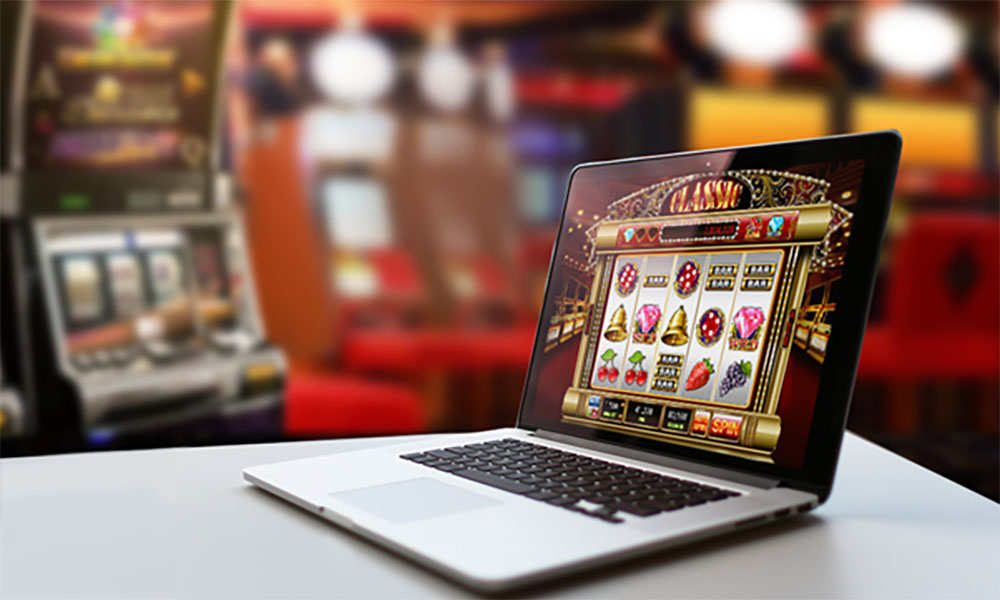
Modern gaming platforms work across phones, tablets, and computers. Players jump between these devices constantly, and the reasons go beyond simple convenience. Each device serves different purposes depending on what’s happening in someone’s day. The flexibility to switch around has become something people expect rather than view as a bonus feature. Online casino sites built their systems to handle these device switches smoothly. Your session picks up right where you left off, no matter which screen you’re looking at. Many users shift between devices when free credit no deposit becomes part of their session options.
Screen size differences
Big monitors show more stuff at once. That sounds obvious, but it changes how games play out. Table games with betting grids spread across tiny phone screens get annoying fast. You’re zooming in, scrolling around, trying to tap the right spot. Desktop monitors let you see everything without all that hassle. Slots work fine on phones most of the time. Simple games that need a spin button don’t require much screen space. But games with detailed graphics, multiple bonus features, or complex paytables? Those shine on bigger displays. Plenty of players start sessions on their commute home, then switch to their computer once they’re settled in. The visual upgrade makes a difference. Tablets split the middle ground here. Bigger than phones but still portable enough to use on the couch or in bed. Screen real estate matters more than people realise until they’ve tried playing the same game across different devices.
Device power and battery
Computers handle heavy graphics without breaking a sweat. Phones struggle with the same content, especially older models. Fast machines are better for games with animations, 3D effects, or quick movements. An experience that lags. When phones start stuttering or heating up, players bail to their computers. Battery drain creates another problem:
- Graphics-heavy games murder phone batteries
- Extended sessions need charging cables or fresh devices
- Computers plugged into walls never run out
- Tablets last longer than phones, but still die eventually
- Preserving phone battery for actual calls matters
Control methods
- Touchscreens work great until they don’t. Tapping a spin button? Easy. Placing exact bets on a roulette table with dozens of betting options? Frustrating. Your finger covers part of the screen, making precision tough. Mouse clicks land exactly where you point them.
- Keyboards speed up typing, too. Login screens, search bars, and chat functions all get easier with physical keys instead of tiny touchscreen keyboards. Some games need more control than others, and that pushes players toward devices with better input options when those games come up.
Internet connections
- Home WiFi beats mobile data for stability. Cell signals drop, slow down, or act weirdly depending on location. Gaming on shaky connections during bonus rounds or big bets feels risky. Players switch to their home networks when connection quality matters.
- Public WiFi creates different headaches. Coffee shop networks might work, but they’re often slow and definitely less secure. Most people avoid serious gaming on public networks, waiting until they get home to their reliable connection. Wired connections on desktop computers provide the most stable option available.
Players switch devices because different situations call for other tools. Phones win for portability, computers excel at power and comfort, and tablets balance between both. The reasons for switching come down to practical needs rather than preferences, and platforms that support smooth transitions across devices give players what they actually want.